 Dure Akram
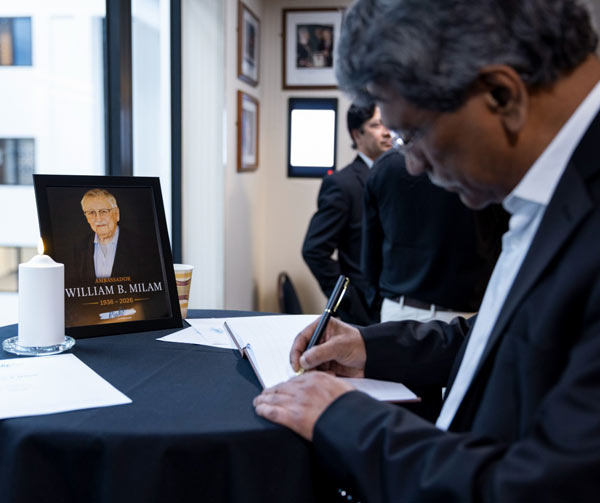
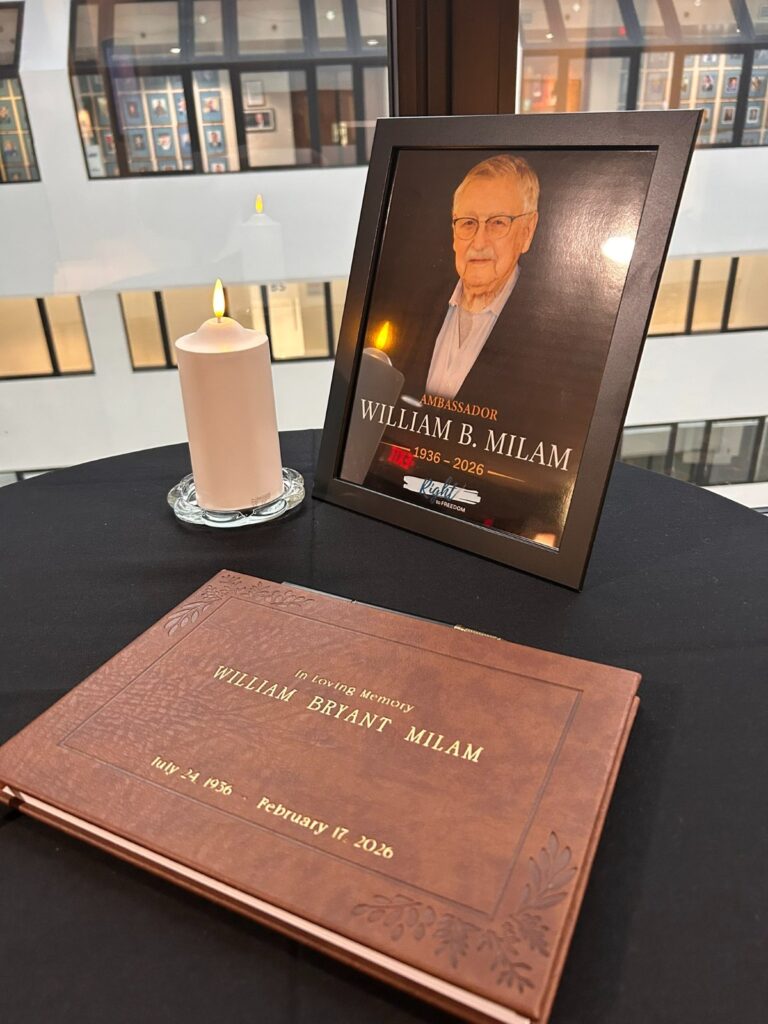
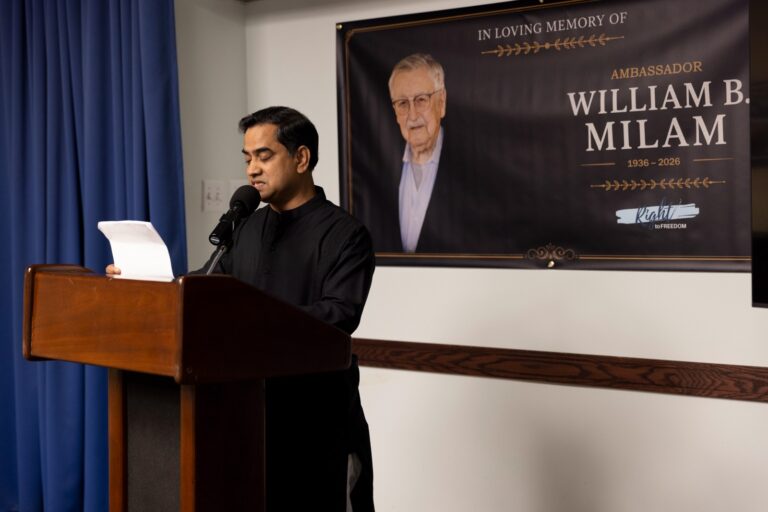
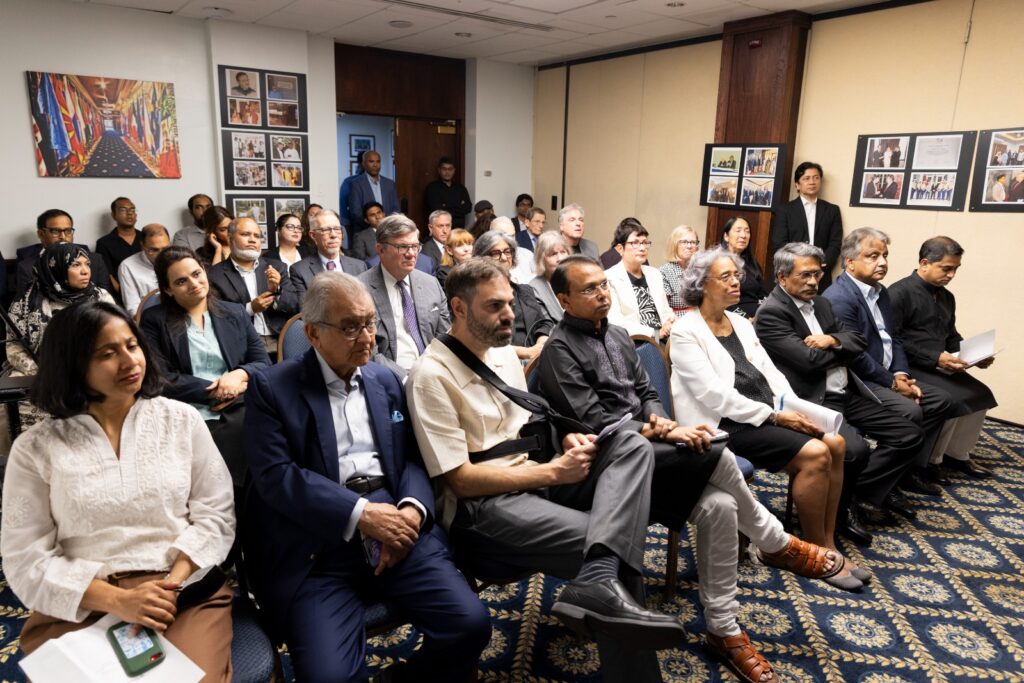
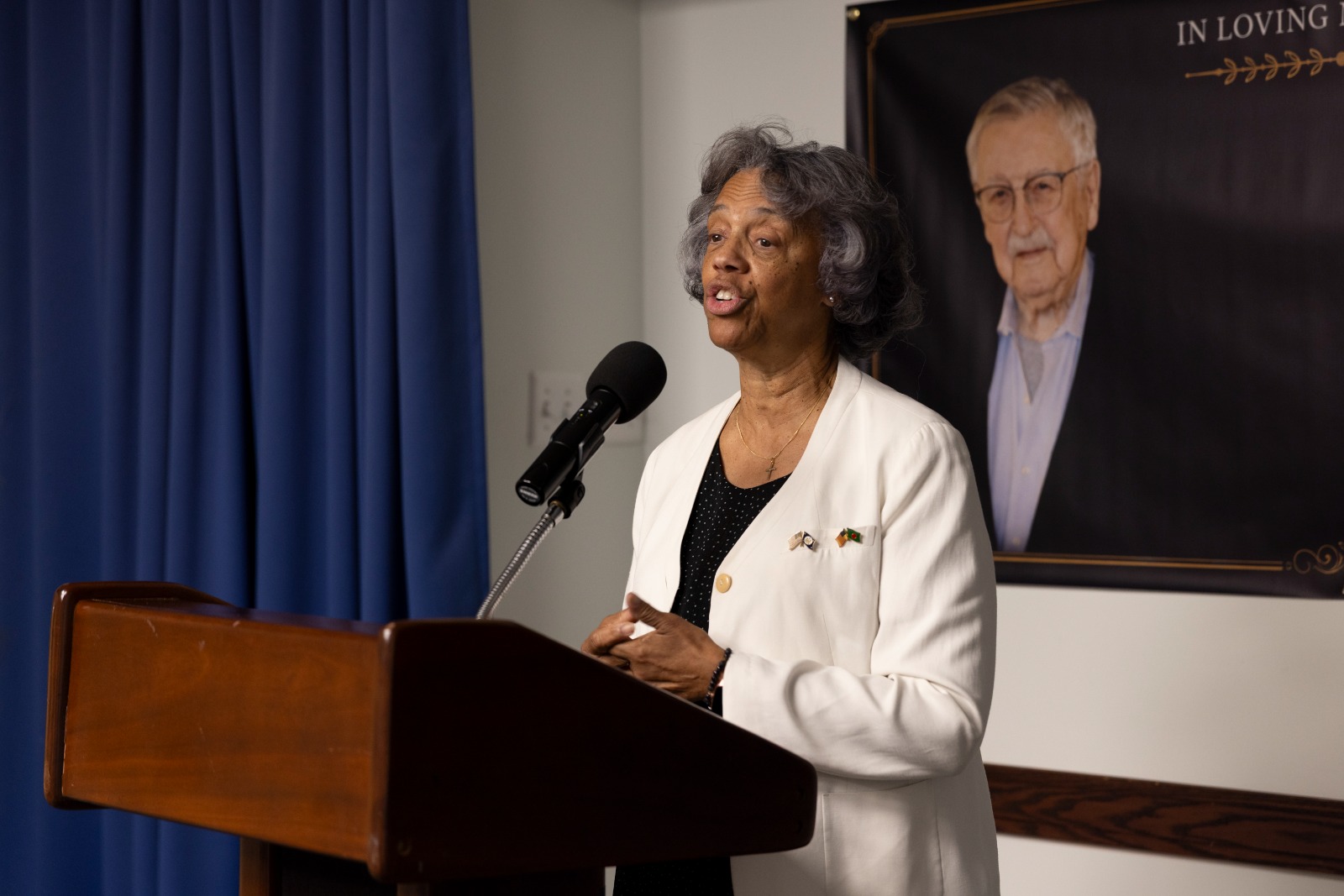
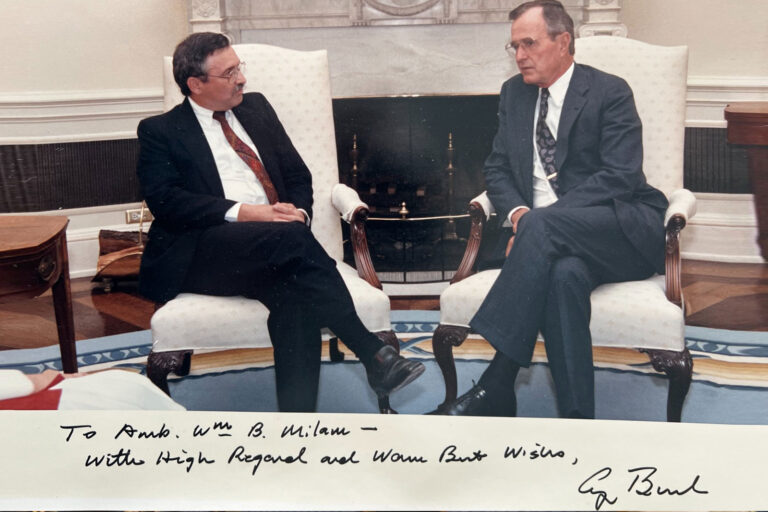
I walked into the National Press Club one hot evening in July, wondering how to spend the next hour or so. I knew little about Ambassador William B. Milam other than his name. Happy to report that I walked back a different person.
Waiting one’s turn at the US Embassy does not readily reveal that diplomats stationed in our country do anything beyond sitting in cushy offices, attending luncheons or taking their place in the ritz-glitz of the capital. Having worked as a journalist for the better part of a decade, and dealing with the press departments of embassies and consulates general, I used to think I had gained a peek into the key rooms of that world. The hour spent remembering Bill Milam taught me how partial that glimpse had been.
There is a Netflix version of diplomatic life where an American ambassador is cast as a crisis manager perpetually trying to avert global catastrophe, a fictional echo of the idea that diplomats quietly save the world—an idea Milam’s own career, in far less scripted form, often made real. Milam’s life placed the profession somewhere else altogether. On the coast of Bangladesh after a cyclone had torn through villages. In war-scarred Monrovia. Across the negotiating tables of Paris. In Islamabad at the dawn of a nuclear South Asia. His career had the texture of history as people actually endure it: urgent, difficult and far removed from the polished photographs that accompany an ambassador’s farewell.
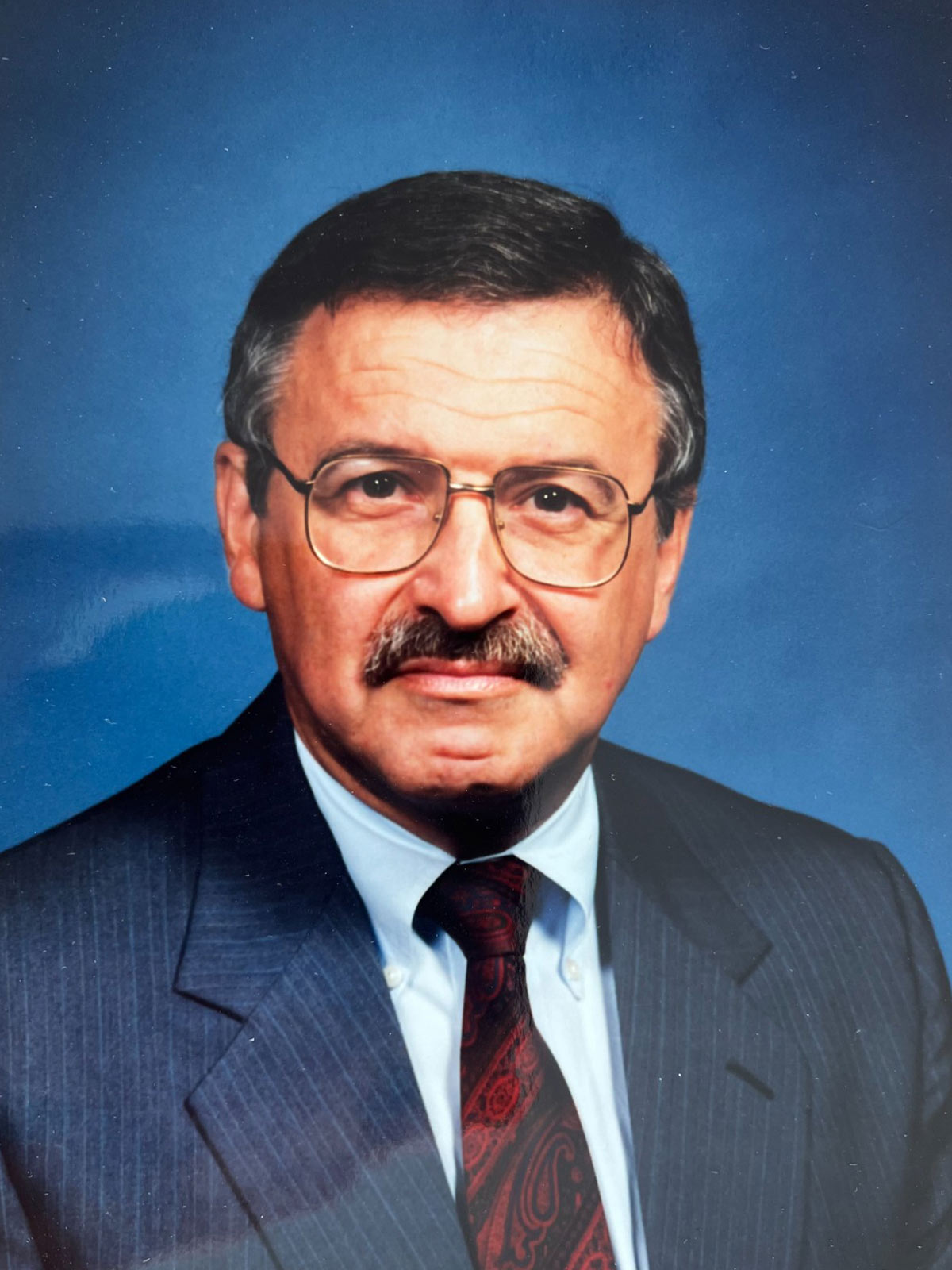
Born in Bisbee, Arizona, in 1936, he went to Stanford intending to become a journalist. A historian, Gordon Wright, opened another door, and Milam joined the Foreign Service in 1962. Yet the first vocation never quite vanished. That early pull towards journalism resurfaced in the books and essays he would later write, and in a lifelong habit of looking past the official façade to ask where the real pressure lay and who would carry its consequences.
His postings took him from Martinique and Liberia to London, Cameroon and Washington, where his expertise in development economics brought him to the Paris Club and the hard business of debt relief for developing countries.
He had spent a career learning how systems fail: from debt ledgers, seeing parched land and realizing fragile supply routes. In Bangladesh, that knowledge became a matter of getting water, medicine and food to the catastrophe-stricken ordinary people.
In April 1991, only weeks after the country’s newly elected government had taken office, a devastating cyclone drove a tidal surge across the southeastern coast. Tens of thousands perished. Entire communities were left without food, water, medicine or a way to reach help.
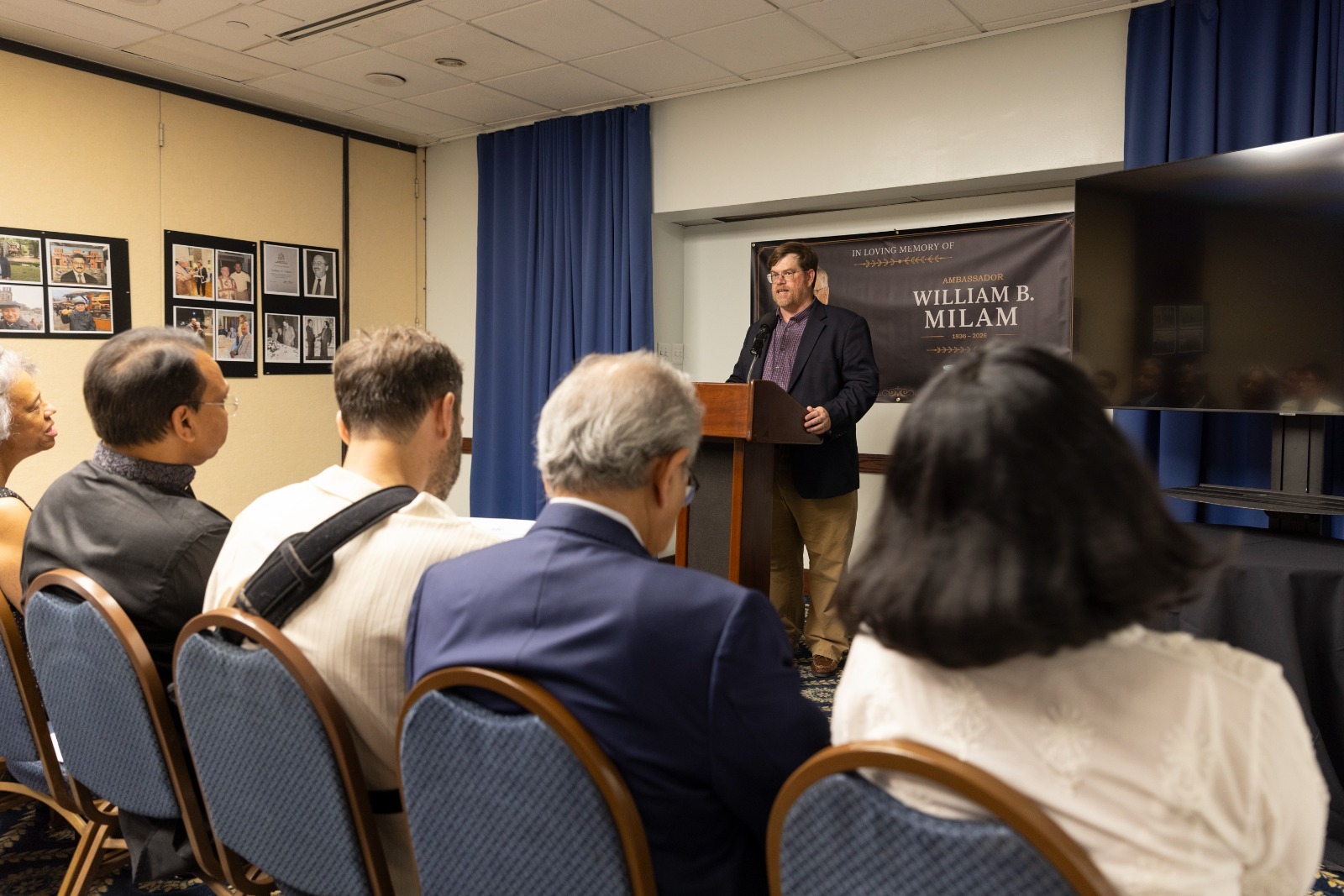
Milam and his military attaché saw that the crisis required lift capacity: helicopters, ships, hovercraft and the means to carry supplies to people stranded beyond broken roads and washed-out landing points. A Marine expeditionary unit returning from the Gulf was redirected to Chittagong. Operation Sea Angel was planned with Bangladeshi civilian and military authorities and humanitarian groups at the table, while the country’s new elected government was still finding its feet. Milam later said of the Marines’ work: “There is no way to calculate how many scores of thousands of lives have been saved by your selfless labor.”
Sea Angel was back then held up as a model of civil-military humanitarian cooperation. Its truest memorial lies in the lives that continued after the sea receded.
His public service ranged well beyond disaster relief. As the US special negotiator for environmental and scientific affairs, he led the American delegation that concluded the 1994 treaty against desertification, an achievement born of the patient recognition that ruined land and drought can be as destructive as any headline-grabbing conflict.
In Liberia, where he served as chief of mission in the latter half of the 1990s, he helped navigate a country struggling out of civil war.
In Pakistan, where he was ambassador from 1998 to 2001, history had a habit of placing Bill Milam at critical thresholds. He reached Islamabad only months after the May 1998 nuclear tests had made South Asia an openly nuclear region. In February 1999, Lahore seemed to offer another horizon. Milam later remembered hearing Atal Bihari Vajpayee accept Pakistan’s existence and feeling “almost present at the creation.” By spring, Kargil had displaced that hope, and the October coup altered the country’s political map. Milam was on a family picnic in California when the news came. By Friday morning, he was back in Islamabad and meeting military dictator General Pervez Musharraf a few hours after landing, personally informing him of Washington’s “profound regret about the military takeover.”
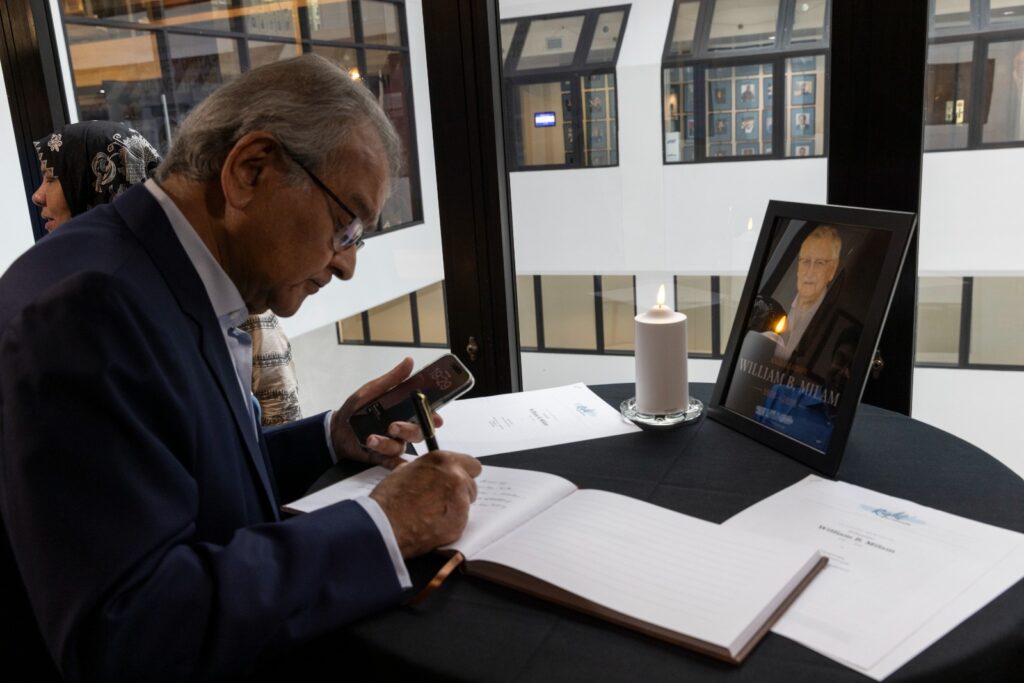
He refused, however, to let Islamabad stand in for Pakistan. He set himself a circuit of Karachi, Lahore and Peshawar, promising to spend time at each post at least once every six weeks. “One cannot understand Pakistan or work effectively in it if one does not get out into other parts of the country,” he later said.
The larger crises had their small, human mechanics. Late on the night before Nawaz Sharif’s July 1999 trip to Washington, a Foreign Ministry official called about a visa: he “needed it that night.” The prime minister had been invited to see Bill Clinton the next day, and Milam’s embassy issued visas for about 15 Pakistani officials before morning. Edward “Gib” Lanpher, a US diplomat who joined Gen Anthony Zinni in Islamabad during the Kargil crisis, called Milam “a very fine American diplomat.”
Pakistan stayed with him. At the Woodrow Wilson Centre, he returned to the subcontinent as a scholar and wrote “Bangladesh and Pakistan: Flirting with Failure in South Asia,” a comparative study shaped by the rare privilege of having represented Washington in both countries.
Retirement proved more to be a grammatical form rather than a retreat. After 9/11, Milam was recalled for nine months to help devise the multilateral economic mechanism for Afghanistan’s reconstruction. He again returned to public service as temporary chief of mission in Tripoli from 2007 to 2008. At the Wilson Centre, he continued to write and mentor, while Right to Freedom, which he helped establish and lead, carried forward his commitment to democratic rights and accountability.
Those who knew him spoke less of the honours than of the man. A former colleague remembered a “rigorous analyst” and a “cool-headed negotiator.” Another added the more telling qualification: beneath the formidable mind was a kind and generous friend. It is an old truth that the best public servants leave a trace in institutions; the fortunate ones leave it in people as well.
As I left the Press Club that evening, the embassy gate in my mind had altered. It still had its guards, counters, glass windows and protocol. Yet beyond it I could now see another sort of service: a helicopter being diverted towards a flooded coast, a treaty clause held through a long night, a diplomat reading a troubled country with care, an older scholar still asking what might help its people.
Bill Milam made that hidden world visible. In Dhaka, Islamabad, Washington and far beyond, the people who gathered to remember him had clearly been living with its light all along.